

Rose Wine Benefits: What Rosé Can (and Can’t) Do for Your Health
People search rose wine benefits for all kinds of reasons. Some want a “healthier” option for social occasions. Others have heard rosé is good for skin, heart health, or antioxidants. And plenty of people simply want to understand what’s real versus what’s marketing.
This guide breaks down what rosé can offer, what it cannot, and how to think about benefits in a way that’s honest, practical, and backed by credible sources. It is not medical advice, but it should help you make a more informed choice.
Quick takeaway
- Rosé contains grape-derived polyphenols, but red wine typically has higher phenolic content and antioxidant capacity because it spends more time in contact with grape skins.
- Rosé is not a meaningful source of vitamin C, and it should not be framed as a collagen or “glow” strategy.
- Alcohol is linked to increased cancer risk, and several health agencies emphasize that risk can begin at low levels of consumption.
- If you choose to drink, “moderate” commonly means up to one drink per day for women and up to two for men, but “moderate” does not mean risk-free.
What is Rosé Wine?
Rosé is wine made from grapes where the juice has limited contact with grape skins during production. That skin contact is what gives rosé its color, which can range from very pale pink to deeper salmon and bright pink depending on the grape variety and winemaking style.
This matters because many of the compounds people associate with “wine benefits” come from the skins, seeds, and stems. In general, longer skin contact means more extraction of phenolic compounds, which is one reason red wine often tests higher for total phenolics and antioxidant capacity than rosé or white wine.
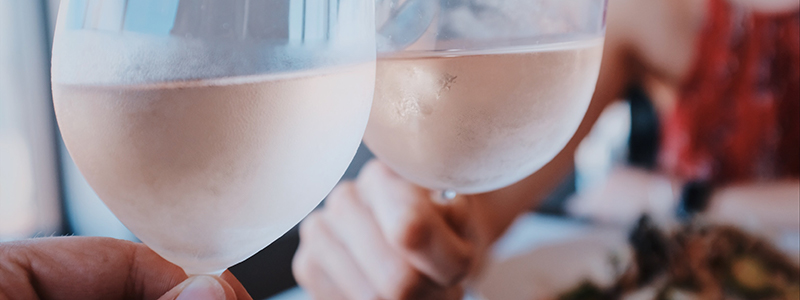
Rose Wine Benefits People Talk About Most
When people say “benefits,” they usually mean one of these categories.
1) A lower-sugar, simpler alternative to many cocktails
Rosé is often consumed without mixers. Compared to many cocktails that contain syrups, sodas, or juice blends, a standard pour of rosé can be a simpler choice.
That does not make it “healthy,” but it can be an easier option to fit into personal goals if you are comparing it to higher-calorie mixed drinks.
2) Polyphenols and antioxidant activity (real, but often overstated)
Wine contains polyphenols, including compounds that have been studied for antioxidant activity. This is the part of the story that gets exaggerated online.
Here’s the more accurate framing:
- Rosé does contain phenolic compounds.
- Red wine generally contains more total phenolics and higher measured antioxidant capacity than rosé, with white wine often lower than both.
So yes, rosé can contribute some polyphenols, but if someone is choosing rosé specifically for maximum antioxidants, the “rosé beats red” claim is not supported by the better evidence.
3) A social and lifestyle benefit, which is still a benefit
For many people, the biggest “benefit” is not biochemical. It’s that rosé fits social occasions, pairs easily with food, and is typically enjoyed slowly. That can support mindful drinking habits more than spirits or high-alcohol cocktails for some drinkers.
This is not a lab-measured health benefit, but it is a practical benefit that affects how people actually drink.

Nutrition: Calories, Carbs, and What’s actually in a glass
Nutrition varies by brand and style, but general database nutrition profiles for a 5 oz serving of rosé show calories in the low 100s with some carbohydrates depending on residual sugar.
Two important clarifications:
- Rosé is not “low calorie” in the way people mean when they talk about diet foods. It can be lower than cocktails, but it still adds up quickly.
- Rosé is not a meaningful vitamin source. For example, vitamin C is typically listed as 0 mg for a standard serving.
If you want a more accurate approach than blanket statements like “loaded with vitamins,” use the nutrition facts for the specific bottle you buy.
Is Rosé Good for Your Skin?
A lot of content online tries to connect rosé to glowing skin, collagen, or anti-aging. This is the section where accuracy matters most.
What’s true
Alcohol can have a diuretic effect and contribute to dehydration for some people, especially at higher doses, and dehydration can make skin look dull or feel dry.
What’s not a reliable promise
- “Rosé is rich in vitamin C” is not supported by standard nutrition data for rosé.
- “Rosé makes your skin glow” is not something you can responsibly promise, especially because alcohol can worsen flushing and inflammation-related skin issues for some people.
A more honest takeaway: if someone wants “skin benefits,” hydration, sleep quality, sun protection, and overall diet will typically matter far more than choosing rosé versus another alcohol.
Heart Health: Why This Topic Gets Complicated Fast
You will still see articles claiming moderate alcohol intake is “good for the heart.” The research history here is complex, and more recent analyses often raise concerns about confounding factors (like lifestyle differences between drinkers and non-drinkers).
From a reader-help standpoint, the safest way to phrase it is:
- Some observational research has suggested potential cardiovascular associations for moderate drinking, but that does not automatically translate into a recommendation to drink.
- Any potential cardiovascular discussion must be balanced with cancer risk and other harms.
Health agencies keep definitions of “moderate” conservative for a reason.
How Much is “moderate,” Really?
Definitions vary by country, but U.S. public health sources commonly define moderate alcohol use as:
- Women: up to 1 drink per day
- Men: up to 2 drinks per day
Also, “one drink” is a standard drink, and many pours at home exceed it.
Who Should Skip Rosé Entirely?
A comprehensive guide should say this plainly. Many people should not drink at all, including:
- Anyone who is pregnant or trying to become pregnant
- Anyone under the legal drinking age
- People taking medications that interact with alcohol
- People with liver disease or certain health conditions
- Anyone in recovery from alcohol use disorder
If any of those apply, the “benefits” discussion should shift to non-alcoholic alternatives.

Tips to Enjoy Rosé with Fewer Downsides
If you choose to drink, these practices can reduce common issues and help keep consumption realistic.
- Measure your pour at home at least once
It is eye-opening how quickly a “casual” glass becomes two standard drinks. - Drink water alongside it
This is the simplest way to reduce dehydration-related effects. - Avoid drinking close to bedtime
Alcohol can affect sleep quality for many people, even if it makes you feel sleepy at first. - Pick a style that matches your goals
Drier rosés often have less residual sugar than sweeter styles, but the only way to know is checking the producer’s info or nutrition details when available. - Treat rosé like a choice, not a habit
If the only “benefit” is routine stress relief, it may be worth looking for other supports that carry less risk.
FAQ: Rose Wine Benefits
Does rosé have more antioxidants than red wine?
Usually no. Studies commonly show red wine higher in total phenolics and antioxidant capacity than rosé, with white often lower than both.
Is rosé wine good for weight loss?
Rosé can be lower calorie than many cocktails, but it still adds calories and can affect appetite and sleep. A single 5 oz serving often sits in the low 100s calories depending on the style.
Is rosé good for skin?
It is not a reliable “skin strategy.” Alcohol can contribute to dehydration and can worsen certain skin concerns for some people.
Does rosé reduce cancer risk?
No. Credible health sources link alcohol consumption with increased cancer risk.
What’s the healthiest way to drink rosé?
If you choose to drink, keep it moderate, measure pours, drink water, and take alcohol-free days. For many people, the healthiest choice is not drinking at all.
Marketing Wine Brands With The Brandsmen
The Brandsmen is a Denver-based digital marketing agency that helps brands grow through strategy-first marketing, clean execution, and reporting that makes performance easy to understand. We work with companies that want their search presence, brand, and website to work together instead of living in separate silos.
If you are a wine brand or a consumer brand building trust online, we can help with:
- Alcohol branding and marketing that sharpens positioning, messaging, and go-to-market strategy
- SEO and content strategy that builds long-term organic visibility
- Ecommerce SEO for product-led brands that need category, collection, and product pages to rank
- AI SEO and GEO to improve how your brand shows up in AI-driven search and discovery
- PPC strategy and optimization built around real conversion tracking
- Branding that clarifies positioning, messaging, and visual identity
- Website design and development that supports speed, UX, and conversion
About the Author


